Workload units
Bubble bills on workload units, so your platform cost rises with usage, not revenue. Every optimization buys a few weeks. Growth spends them.
 Lowcodr Book a free exit call
Bubble Next.js + PostgreSQL
We've migrated 5 Bubble applications to full code in the last 6 months — Chefs, Dailycieux, Ingétis, Flaash, Oggma. Audit first, migration second, zero downtime throughout.
Book a free exit callFree 30-minute call. You leave with a written scope, whether or not we work together.
Bubble bills on workload units, so your platform cost rises with usage, not revenue. Every optimization buys a few weeks. Growth spends them.
A Bubble app can't be exported as source code. In technical due diligence, investors ask who owns the stack, and the honest answer is the vendor.
Enterprise and healthcare buyers send SOC 2 and HIPAA vendor questionnaires. They're hard to answer when your hosting, data and access controls live on a platform you don't control.
Customers expect a real iOS and Android app, with push, offline and device features. In code, web and mobile share one backend, one auth and one data model.
Bubble assembles pages in the browser. Dynamic pages like listings, profiles and search results load heavier and are harder to index than server-rendered Next.js pages.
Every non-REST integration means trusting code you can't read, debug, or patch.
Bubble's case was always speed. With AI-assisted development, a full-code build ships in the same window. The tradeoff that justified no-code doesn't exist anymore.
We map your data model, workflows, plugins and integrations. You get a written migration plan with scope, sequence and risks.
Your Bubble database becomes a proper PostgreSQL schema. Relations, constraints, indexes.
Module by module. Bubble stays live while each part moves over, and the cutover happens with zero downtime.
Versioned, tested code. Documentation. Any Next.js developer can pick it up.
Fixed quotes, in USD. You know the number before you commit to anything.
30 minutes
Your app, your Bubble bill and your timing, looked at by the developer who would do the work.
Flat fee · 5 business days · 100% credited against the migration
Everything you need to decide, budget and plan the move, in writing.
Fixed price by app size, set in the audit
Indicative pricing:
Prices are indicative, in USD. The audit fee is deducted in full from the migration price.
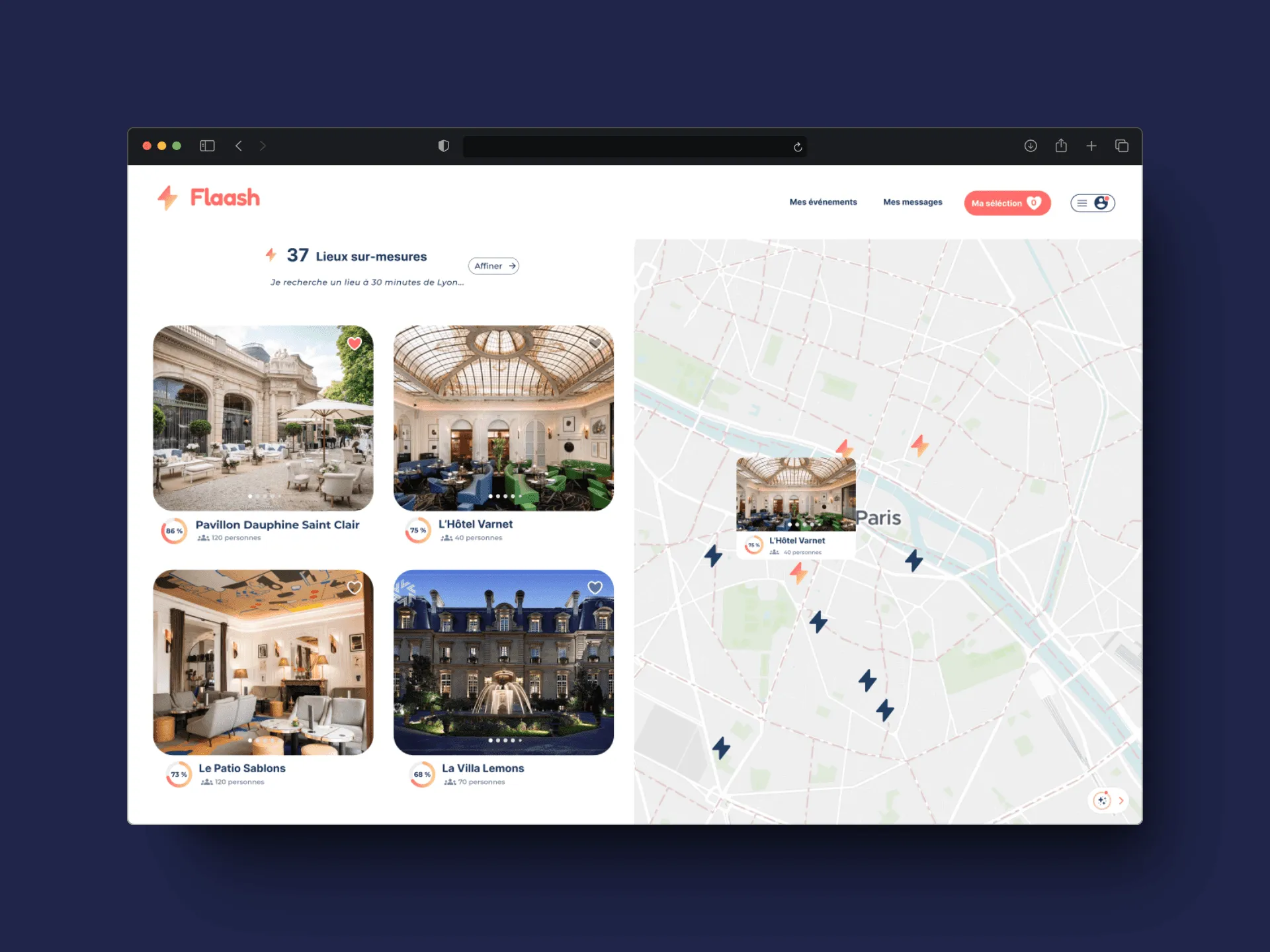
Flaash is an AI-driven venue booking marketplace that simplifies finding the ideal venue.
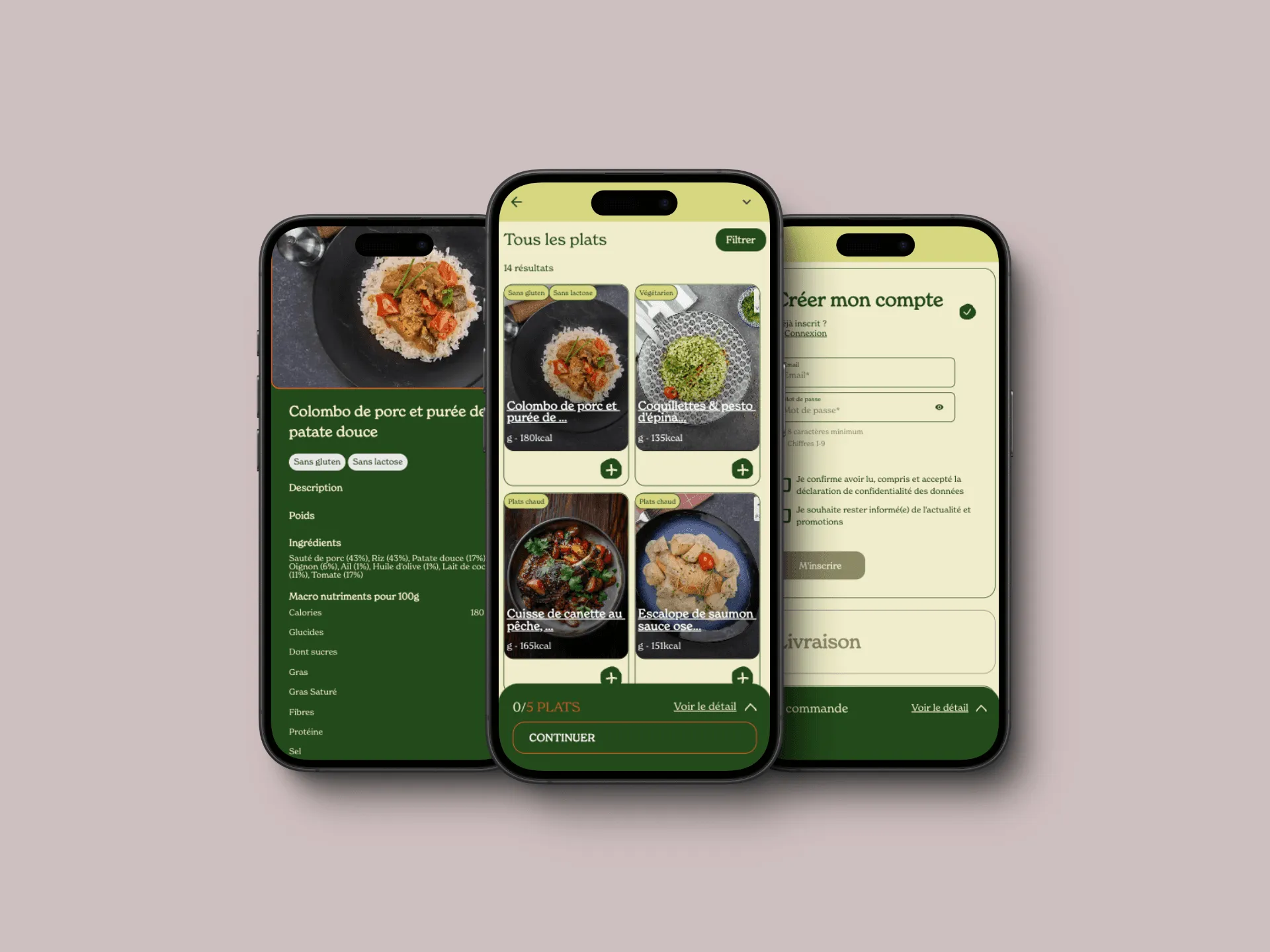
Dailycieux, a subscription-based meal delivery service, rebuilt from a low-code MVP into a custom full-code platform with fully automated weekly billing.
"Thanks to Lowcodr's work, our venue booking marketplace now runs smoothly with advanced AI search capabilities and optimized workflows."
 Antonin UlicznyCo-Founder - Flaash
"With Lowcodr's help, we launched a scalable, subscription-based meal delivery platform that perfectly meets our users' needs."
 Vivien CabuzelFounder - Dailycieux
It depends on scope — how many workflows, which plugins are involved, and how much of the product moves first. The audit is what turns that into a fixed quote and a timeline, in writing, before you commit to anything.
No. We migrate module by module while your Bubble app stays live. There's no big-bang cutover where everything switches at once.
It gets ported to PostgreSQL with a proper schema — relations, constraints and indexes. Nothing is dropped, and the migrated data is reconciled against Bubble before anything is switched over.
Yes. A partial migration works, and it's often the right first step: move the part that costs you the most, leave the rest until moving it makes sense.
That is exactly what the exit call answers. If the verdict is "stay on Bubble for another 12 months", we say so.
Most of what a migration used to cost was hand-writing code that AI now writes alongside us. You pay for a senior developer's judgment on architecture, data and cutover, not for headcount. And the quote is fixed after the audit, so overruns are our problem, not yours.
Yes. Paris afternoons overlap with US East Coast mornings, and most of the work runs async: written plans, a staging environment you can click through, and the code in a repository you own from day one.
30 minutes, free. You leave with a written scope and a straight answer on timing.